
Beating the Heat – Livestock Edition
This post contains affiliate links. If you click and make a purchase, I may earn a small commission at no extra cost to you.
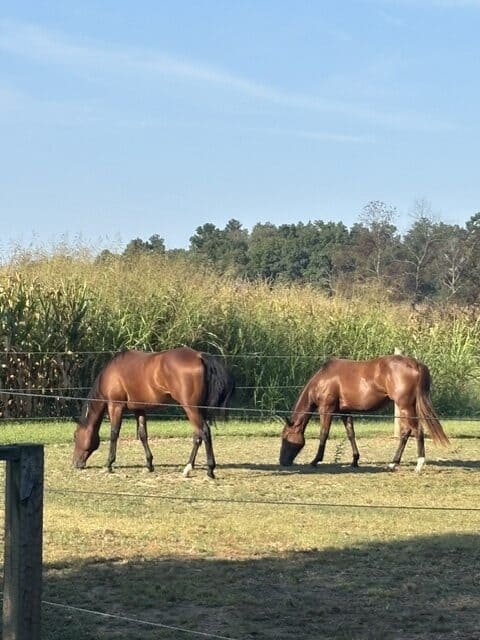
Summer is in full swing! Living in Western Kentucky, hot and humid summers are just something that you expect and get accustomed to. I haven’t even tried to fix my hair in the past few weeks (it’s naturally curly) because I know that as soon as I walk outside, it’s reverting right back to its natural state. And honestly, it’s just too hot to be messing with hair. But what about our furry friends, who are covered in it? As much as I would love to, it would be a huge expense to provide them all with an airconditioned space and it honestly just isn’t practical. Plus, animals are naturally wired to adapt to weather extremes on their own. However, there are a few key things that we can do as livestock owners to make sure our fur babies are as comfortable as they can be when the heat is unbearable.
High-Quality H20!
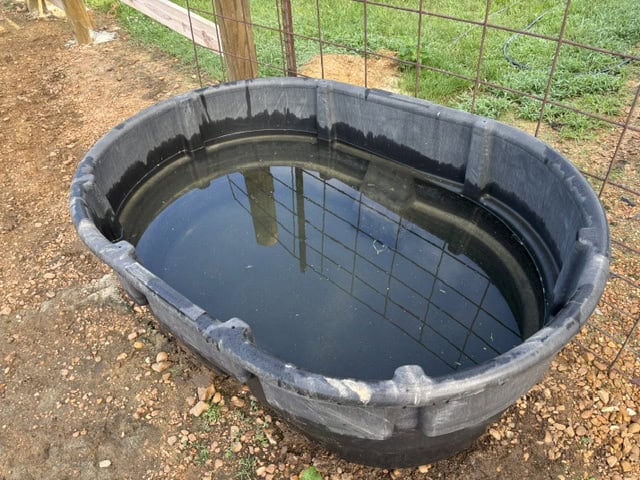
Making sure that your animals have fresh, cool water during the summer is key. They should always have access to clean water year-round. Ideally, the water should be cool so placing it in a shady spot is recommended but I know that isn’t always feasible. One of our troughs for the horses gets shade during the morning hours, but the other doesn’t receive any shade during the day. If you’re troughs do get full sun, topping off during the day isn’t a bad idea just to make sure the water available is at a more desirable temperature. Animals also tend to drink a lot more when the weather is hot, so topping off also ensures that they are never going without water. If you can only implement one change during the hot weather, go with this one. Having high-quality H20 is 100% necessary.
Providing Shade
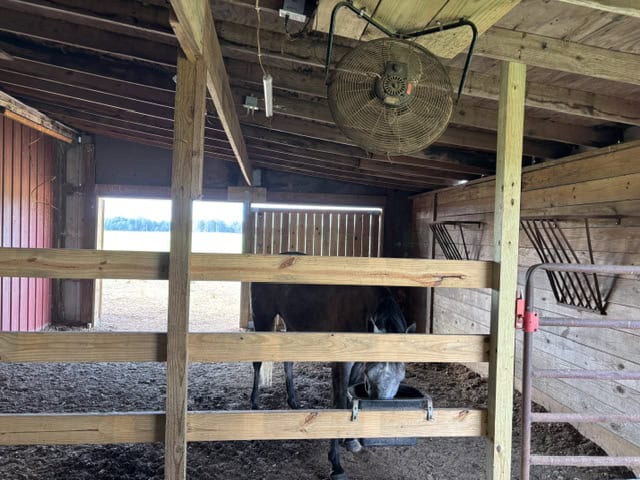
Providing shade is also important when hot temperatures set in. It can be something as simple is planning for their enclosure to be close to a shade tree or as elaborate as building a barn that includes a run-in. Our goats have a few options when it comes to getting in the shade. First, their pen runs right under a large tree in our back yard, so part of their pen is shaded starting in the later morning all the way through the afternoon. We also built a house that they can get in as well as a slide that is tall enough for them to stand or lay under. For the horses, we created a run-in out of a lean-to that is attached to our shop. The shop was already existing when we bought the property, but the lean-to section was used as an equipment shed. We built a gate to section off an area large enough for the three of them to get in while still giving them space from each other. This also allowed us to still use part of the lean-to for storage.
I know everyone isn’t going to have a lean-to already built, so of course you have the option to build a more permanent type of shelter. But if that seems like a bit too much of a financial commitment right now, there are other, cheaper ways to provide shade. One is to buy a shade cloth and attached it to 4 posts in the field to create a canopy. There are also temporary shelters that can be made out of gate panels that not only provide shade but protection from the elements as well.
Air Flow
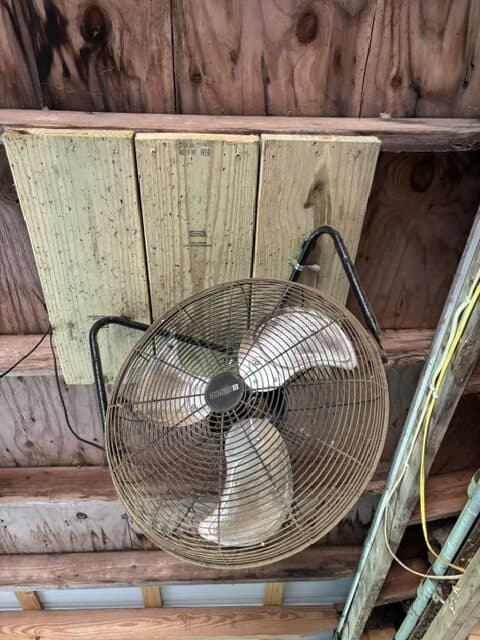
Making sure that the shaded area you provide has good air flow is also key. If you’ve ever stood inside a barn that has no airflow, then you know that it seems like you sweat just as much as you would if you were standing in the full sun. Any outdoor pen should already have decent airflow just due to the wind. Our lean-to has two large doors, one on the west side and one on the south side. Opening both of these during the summer provides some ventilation, but on a stagnant day when there isn’t much of a breeze, it can still get pretty stuffy. To combat this, we installed two fans on the ceiling, pointing them down so that the airflow reaches the horses.
Fly Control
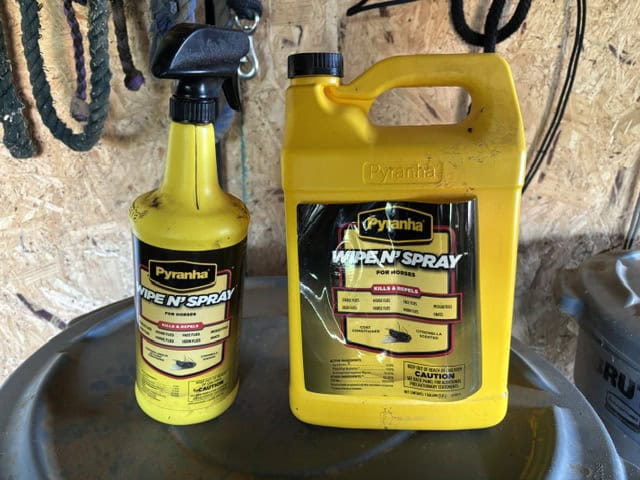
While fly control doesn’t necessarily contribute to keeping your horses cool, it is something that needs to be managed during the summer. Flies and mosquitoes can be the biggest nuisance to your animals, but they can also carry disease. To combat flies, in the past we have used sticky traps placed sporadically throughout the lean-to and this method did catch quite a few and helped cut down on the number of flies inside the barn. But the best thing I have found to actually keep them off the animals is Pyranha fly spray. This spray for horses protects against a variety of different species of flies as well as mosquitoes and gnats. Just a quick spray all over will provide your horse some much needed relief from these pests.
Hopefully these tips can help you help your animals through these hot, humid summer months. Please let me know if you implement any of these or if you have any other suggestions on how to keep animals more comfortable in the heat. We’re always open to suggestions!